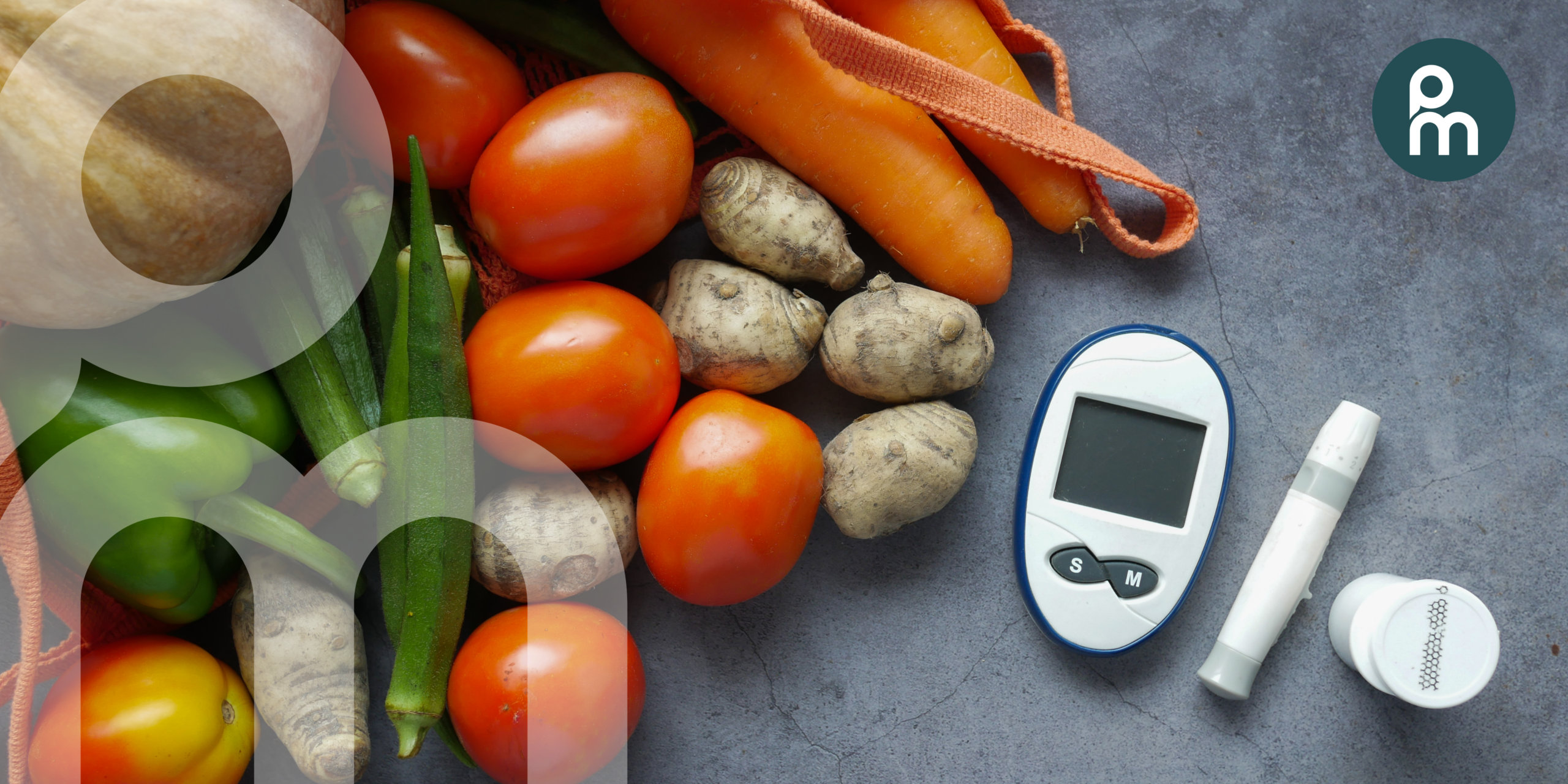
Diabetes Guidelines
Diabetes is not simply “high blood sugar.” It is a complex metabolic and inflammatory condition that affects how your body uses energy. Understanding how it works empowers you to manage it effectively and protect your long-term health.
Let’s break it down clearly and practically.
The Two Types of Diabetes
Type 1 Diabetes
Type 1 diabetes occurs when the body no longer produces insulin. This happens due to autoimmune disease, trauma, or genetic factors.
Common symptoms include:
It often develops in people under the age of 30. Possible contributing factors include viral infections and genetic predisposition.
Because the body produces no insulin, insulin therapy is required immediately and lifelong. Carbohydrates must be carefully counted at each meal to calculate the correct insulin dose.
Type 2 Diabetes
Type 2 diabetes develops when the body still produces insulin, but the cells no longer respond to it properly. This is called insulin resistance.
Contributing factors may include:
Type 2 diabetes affects roughly 10 percent of the global population.
Treatment usually begins with oral medication. However, lifestyle changes such as improved diet, exercise, and weight loss can dramatically improve the condition. In some cases, strict lifestyle changes may lead to remission. This means medication may no longer be required, but careful monitoring and dietary discipline remain lifelong commitments.
Carbohydrates, Sugar, and Starch Explained
Carbohydrates and starch describe a large food group. The basic building blocks of this group are sugars.
Sugar is present in:
Common carbohydrate-containing foods include:
Pasta, bread, potatoes, fruit, rice, flour, sweet potatoes, fruit juice, honey, flavoured milk, oats, cookies, corn, syrup, yoghurt, maize porridge, muffins, and more.
Your body breaks these foods down into sugars during digestion.
Your cells use sugar for energy.
But here’s the key:
Your cells are like locked doors.
Insulin is the key.
Without insulin, or when insulin cannot work properly, sugar remains in the bloodstream instead of entering the cell. That is what causes high blood sugar.
Diabetes and Inflammation:
Diabetes is considered an inflammatory condition.
Inflammation acts like a slow, silent infection that damages cells over many years. You may not feel it happening, but long-term inflammation contributes to:
High blood sugar increases inflammation and cell damage.
Supporting gut health is one of the most powerful ways to reduce inflammation. Healthy gut bacteria help regulate immune responses and fight inflammatory processes.
Anti-Inflammatory Foods
These foods should be consumed regularly, ideally weekly:
Garlic, onions, broccoli, cauliflower, brussels sprouts, cabbage, spinach, leafy greens, bell peppers, almonds, berries, grapes, fatty fish (salmon, trout, mackerel), mushrooms, green tea, avocado, dark chocolate (sugar-free), cherries, tomatoes, olive oil (unheated), citrus fruits, beetroot, turmeric.
These foods support cellular health and reduce long-term damage.
The Critical Role of Fibre
Fibre is essential in diabetes management.
It:
The goal is to consume 30 different fibre sources per week.
Important fibre types include:
Inulin sources:
Chicory, leeks, asparagus, garlic, onions, bananas, barley, oats, bran.
Inositol sources:
Chickpeas, buckwheat, lentils, dried beans, nuts, seeds.
Research shows certain fibres directly improve insulin resistance and may even be used therapeutically.
The Glycemic Index (GI)
The Glycemic Index measures how quickly a food releases sugar into the bloodstream.
Prioritising low GI foods reduces stress on the pancreas and supports long-term blood sugar control.
Blood Sugar Cycles
Blood sugar does not “reset” overnight.
It operates in cycles that may last up to 36 hours. What you eat today can affect tomorrow’s readings.
Large starch-heavy dinners can lead to:
Dinner should prioritise protein and vegetables rather than starch.
Meal Structure Tips
Stress, Hormones, and Blood Sugar
Alcohol and Diabetes
Alcohol breaks down into sugars and may initially lower blood sugar before causing delayed spikes.
Routine alcohol use is not recommended.
If consumed, limit to:
Alcohol offers no unique health benefits that cannot be obtained from other foods.
Processed Foods and Hidden Sugars
Alcohol breaks down into sugars and may initially lower blood sugar before causing delayed spikes.
Routine alcohol use is not recommended.
If consumed, limit to:
Always choose options labeled low carb, zero sugar, or specifically diabetic-friendly.
Fat Intake and Blood Sugar
High intake of saturated animal fats may increase blood sugar levels for up to 36 hours.
Saturated fats include:
Visible meat fat, sausages, biltong, full cream dairy, creamy sauces.
Better options:
Nuts, seeds, avocados, olives, fatty fish.
Even healthy fats require portion control.
Weight and Exercise
Maintaining a healthy weight helps stabilise blood sugar, cholesterol, and blood pressure. Regular exercise improves insulin sensitivity, lowers inflammation, and supports hormone balance. Choose water over energy drinks and monitor for low blood sugar symptoms.
Medication Is Not a Shortcut
Increasing insulin or medication to offset poor eating habits is not a safe strategy. Medication supports treatment, but it cannot replace healthy lifestyle choices.
Fasting and Diabetes
If you are not using insulin, structured fasting may be considered carefully. You can gradually extend fasting hours or try a 24-hour dinner-to-dinner fast. When breaking a fast, avoid starch and choose protein with healthy fats instead. Always monitor blood sugar levels during fasting.
Supplements
Because diabetes is linked to inflammation and hormone balance, the following may be helpful:
B Vitamins, Folic Acid, Zinc, Magnesium, Probiotics, Resveratrol, and Vitamin D.
Always consult a healthcare professional before starting supplements.
Final Thoughts
Diabetes management is not about restriction. It is about understanding how food affects blood sugar, how insulin functions, and how daily habits influence long-term health. With consistent, informed choices, diabetes can be effectively managed. Small daily decisions make a powerful difference.