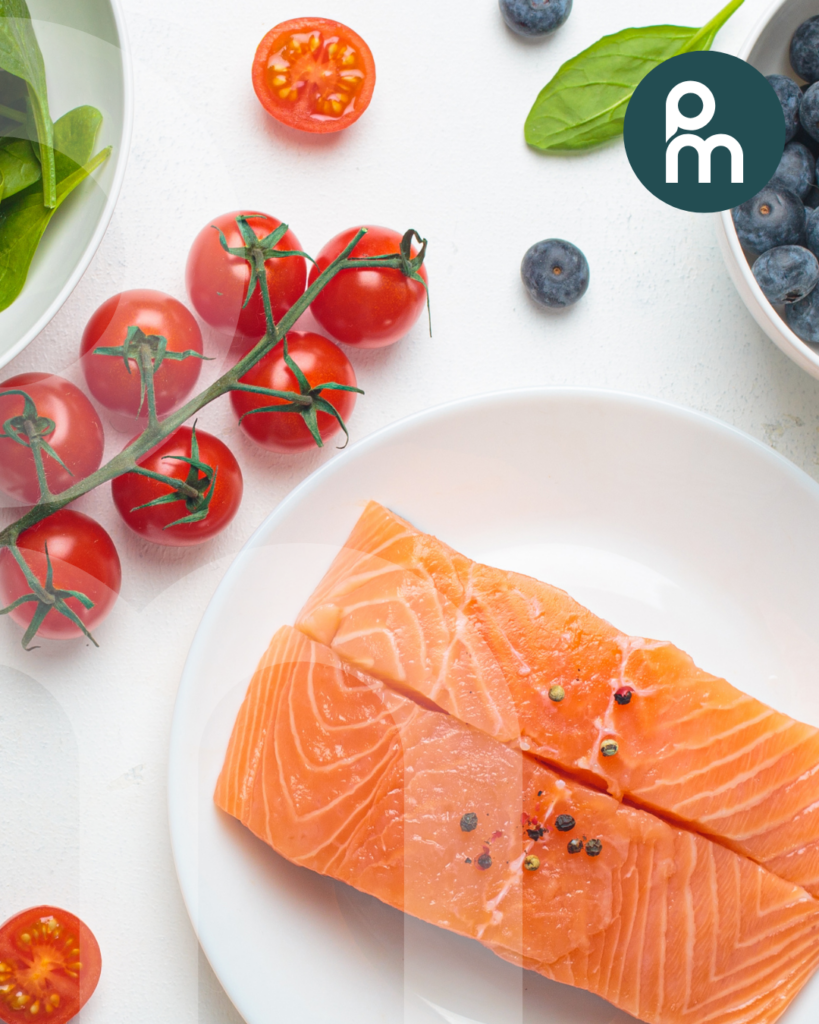
An anti-inflammatory diet focuses on whole, unprocessed foods that calm the body rather than stress it. Prioritise colourful vegetables, leafy greens, berries, healthy fats like olive oil and avocado, nuts, seeds, and fatty fish. Limit refined sugars, processed foods, excess saturated fats, and highly refined carbohydrates. Supporting gut health with fibre-rich foods and staying well hydrated are equally important. Consistent, balanced choices help reduce chronic inflammation and protect long-term health.
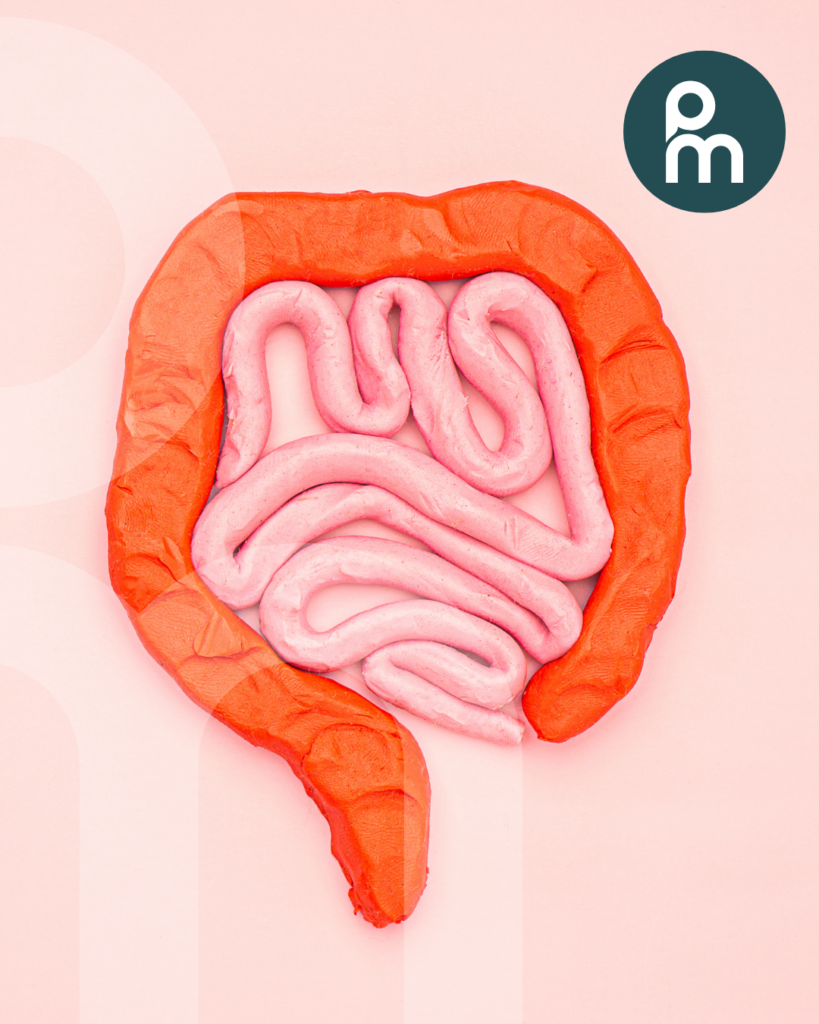
Manage diabetes by prioritising low GI carbohydrates, increasing fibre, including protein at every meal, and limiting refined sugar and processed foods. Support blood sugar control with regular exercise, stress management, and consistent portion control. Sustainable daily habits are key to long-term stability and preventing complications.

Manage diabetes by prioritising low GI carbohydrates, increasing fibre, including protein at every meal, and limiting refined sugar and processed foods. Support blood sugar control with regular exercise, stress management, and consistent portion control. Sustainable daily habits are key to long-term stability and preventing complications.
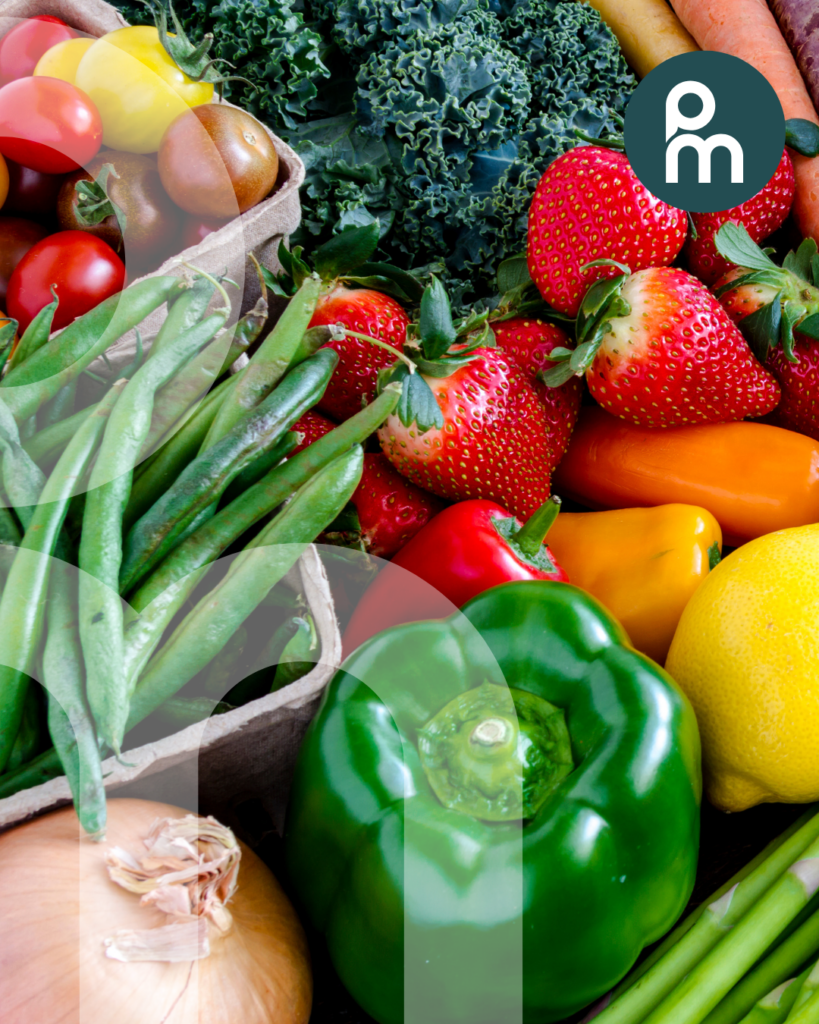
Free foods are low in carbohydrates and have minimal impact on blood sugar, making them ideal between meals. These include non-starchy vegetables such as cucumber, celery, lettuce, spinach, mushrooms, peppers, radishes, and tomatoes. Enjoy them raw or lightly prepared without added sugar or starch. These snacks add volume, fibre, and nutrients without significantly affecting glucose levels.
Managing hypertension starts with reducing salt intake, limiting processed foods, and increasing potassium-rich vegetables and fruits. Prioritise whole foods, lean proteins, healthy fats, and high-fibre options while maintaining a healthy weight. Regular physical activity, stress management, adequate sleep, and limiting alcohol are essential for blood pressure control. Consistent lifestyle habits play a key role in protecting heart and vascular health long term.